


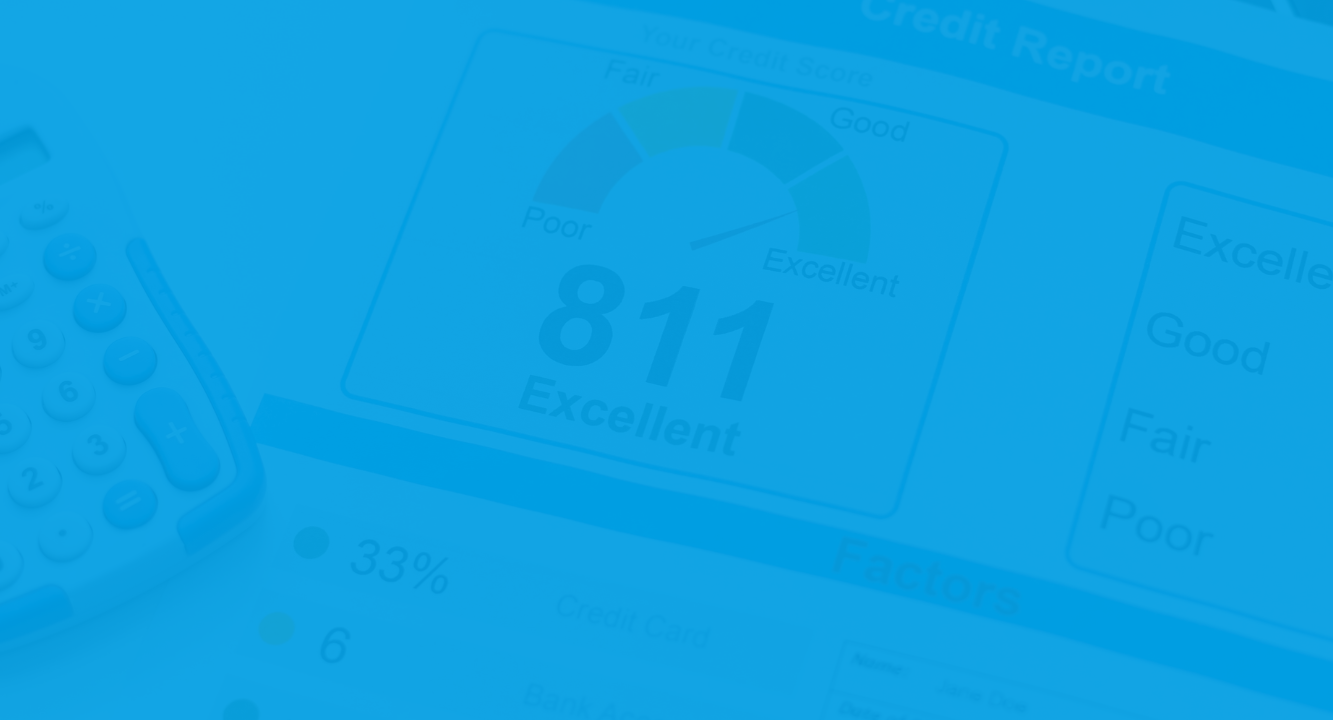
Planning to buy your first home is an exciting journey, but it comes with its set of challenges, one of the most important being your credit score. Understanding your credit score is a crucial step that can significantly impact your mortgage approval process.
Importance of Credit Score in Home Buying
Your credit score is a numerical representation of your creditworthiness, influencing how lenders view your ability to repay a loan. A higher score often translates to better mortgage terms, including lower interest rates and higher borrowing limits. Conversely, a low score can limit your options and increase the cost of borrowing. Thus, comprehending your credit score’s intricacies is vital for anyone looking to secure a mortgage.
Credit Score Basics
A credit score typically ranges between 300 and 850, with higher scores indicating better credit health. Various factors contribute to your credit score, such as payment history, amounts owed, length of credit history, new credit, and types of credit used. These elements collectively help lenders assess the risk of lending to you.
The Role of Credit Agencies in the UK
In the UK, three major credit agencies—Experian, Equifax, and TransUnion—play a pivotal role in compiling your credit history. Each agency may hold different information, and lenders often use a combination of these reports to gauge your creditworthiness. Hence, understanding the data each agency provides is essential.
Experian: A Closer Look
Experian is one of the largest credit reporting agencies in the UK. It collects data from various financial institutions, public records, and other sources to generate your credit report. Monitoring your Experian report regularly can help you stay informed about your credit status and spot any inaccuracies.
Equifax: Understanding Their Reports
Equifax, another key player in the credit reporting industry, offers comprehensive credit reports that lenders use to make informed decisions. Understanding how Equifax calculates your credit score and what factors influence it can help you take proactive steps to improve your credit health.
TransUnion: Key Features
TransUnion, previously known as Callcredit, provides detailed credit reports and scores. Familiarising yourself with TransUnion’s reporting methods and the unique data they offer can give you a broader perspective on your overall credit profile.
The Comprehensive Check My File Report
To ensure you get an accurate and detailed view of your credit status, I recommend the Check My File report. This thorough report gives you a complete picture of your credit health.
What is a CFAS Check?
A CFAS (CIFAS) check is part of the fraud prevention measures used by lenders. It helps identify if your details have been used fraudulently or if there are any suspicious activities associated with your credit profile. Ensuring that your CFAS check is clear can prevent potential delays or issues in the mortgage approval process.
How Lenders Use Credit Scores
Lenders use your credit score to assess the risk associated with lending you money. They consider your score alongside other factors such as your income, employment history, and overall financial situation. A higher score often means lower risk, making you a more attractive borrower.
Impact of Credit Score on Mortgage Rates
Your credit score directly impacts the interest rates you’re offered on a mortgage. A high credit score can lead to lower interest rates, saving you thousands of pounds over the life of your mortgage. Conversely, a lower score can result in higher rates and more expensive borrowing costs.
Steps to Improve Your Credit Score
Improving your credit score requires a strategic approach. Start by ensuring all your bill payments are on time, reducing outstanding debts, avoiding new credit applications, and correcting any inaccuracies on your credit reports. Consistent efforts in these areas can lead to significant improvements in your score.
Addressing Credit Report Discrepancies
Discrepancies on your report can negatively affect your score. Regularly reviewing your reports from all major agencies and addressing any errors promptly can help maintain an accurate credit profile. This proactive approach ensures that your credit score truly reflects your creditworthiness.
The Benefits of a Good Credit Score
A good credit score opens doors to numerous financial benefits. It enhances your chances of mortgage approval, secures better interest rates, and provides more negotiating power. Moreover, it can impact other areas of your financial life, such as obtaining credit cards or personal loans on favourable terms.
Common Credit Score Myths
Several myths surround credit scores, such as checking it lowers it or closing old accounts improving your score. Understanding the facts about how credit scores work can help you make informed decisions without falling prey to these misconceptions.
Practical Tips for First-Time Home Buyers
As a first-time home buyer, being well-prepared is key. Start by saving for a substantial deposit, understanding the costs involved in buying a home, and ensuring it is in top shape. These steps can make the home-buying process smoother and more manageable.
Importance of Regular Credit Monitoring
Regular credit monitoring allows you to stay on top of your credit health. By keeping an eye on your credit reports and scores, you can quickly address any issues that arise, maintain a good credit standing, and be well-prepared when applying for a mortgage.
Understanding Credit Utilisation
Credit utilisation, the ratio of your credit card balances to your credit limits, plays a significant role in your credit score. Keeping your utilisation below 30% can positively impact your score, signalling to lenders that you manage credit responsibly.
The Significance of Credit History Length
The length of your credit history also affects your score. A longer credit history generally indicates stability and reliability, which lenders prefer. Maintaining old accounts and demonstrating a consistent credit usage pattern can help improve this aspect of your score.
Debt-to-Income Ratio: Why It Matters
Your debt-to-income ratio (DTI) measures the amount of your income that goes towards debt repayment. Lenders use this ratio to assess your ability to manage monthly payments and repay debts. A lower DTI is favourable, indicating better financial health and lower risk.
Hard vs. Soft Credit Inquiries
Understanding the difference between hard and soft credit inquiries is essential. Hard inquiries, triggered by loan or applications, can slightly lower your score, while soft inquiries, such as checks do not affect your score. Limiting hard inquiries can help maintain a higher credit score.
How to Deal with Negative Marks on Your Credit Report
Negative marks, such as late payments or defaults, can significantly impact your score. Addressing these marks involves settling any outstanding debts, negotiating with creditors, and ensuring future payments are timely. Over time, the negative impact diminishes, especially with consistent positive credit behaviour.
Planning Your Finances Before Applying for a Mortgage
Before applying for a mortgage, it’s crucial to have your finances in order. This includes saving for a deposit, budgeting for additional costs, and ensuring your credit score is optimal. Financial planning can make the mortgage application process smoother and more successful.
Final Thoughts on Credit Scores and Home Buying
Understanding and managing your credit score is crucial when buying your first home. A good credit score not only enhances your chances of mortgage approval but also ensures you get the best possible terms. By taking proactive steps to monitor and improve your credit, you pave the way for a successful home-buying journey.
FAQs
What is a good credit score for buying a home? Typically falls between 670 and 739. However, a higher score increases your chances of securing better mortgage terms.
How often should I check my credit report? It’s advisable to check your credit report at least once a year from all three major agencies to ensure accuracy and address any discrepancies.
Can I buy a home with bad credit? Yes, but it may be more challenging. You might need a larger deposit, and you could face higher interest rates. Improving can enhance your options.
How long does it take to improve a credit score? Improving a credit score can take several months to a few years, depending on your starting point and the steps you take to address negative marks and build positive history.
What factors can negatively affect me? Late payments, high utilisation, hard inquiries, and negative marks like defaults or bankruptcies can all negatively impact your credit score.
Is it possible to improve my credit score quickly? While there are no quick fixes, you can make noticeable improvements by paying down debt, correcting errors on your credit report, and maintaining timely payments.
Conclusion
Don’t leave your mortgage approval to chance. Understand your credit score in detail and take control of your financial future. Get your Check My File report today and move one step closer to your dream home.
Inbound and Outbound Links Suggestions:
- Poor Credit
- Check My File (Try it FREE for 30 days, then £14.99 a month – cancel online anytime)
Leave a Reply